

❋
Probate Real Estate Agent in Santa Barbara
Guiding Executors and Administrators Through Court-Supervised Property Sales

What Probate Real Estate Means in California?
If your loved one passed away without a living trust covering a property, that property typically has to pass through probate — a court-supervised process that confirms the will (or determines heirs if there isn't one) before assets, including real estate, can be sold or transferred. As the named executor or court-appointed administrator, you're given legal authority to act on behalf of the estate, but that authority comes with oversight: in many cases, the court has to confirm the sale before it's final.
This is different from a trust sale, where a trustee can typically sell once they confirm their authority under the trust document, without court involvement. If you're not sure which situation applies to you, Melissa can help you figure that out in your first conversation — and connect you with a probate attorney if you don't already have one.

Court Confirmation: What Executors Need to Know
Unless the will grants you full independent authority under California's Independent Administration of Estates Act (IAEA), selling probate real estate usually requires a confirmation hearing. Here's roughly how it works: once you accept an offer, the sale goes into escrow as a contingent sale, and a confirmation hearing date is set with the probate court. At the hearing, the court can accept the agreed-upon price — or open it up to overbidding, where other interested buyers can bid in court in fixed increments above the accepted offer.
This step exists to protect the estate and ensure the property sells for a fair price, but it also means timing isn't entirely in your hands. Melissa prepares every probate listing with this hearing in mind — clean documentation, realistic pricing, and marketing strong enough to hold up even if overbidding happens. Your probate attorney will confirm the exact procedural requirements for your case.

Typical Probate Sale Timeline in Santa Barbara County
Probate sales generally move slower than standard transactions because they're tied to the court's calendar, not just the real estate market. A rough sequence looks like: opening the probate case and receiving Letters Testamentary or Letters of Administration, preparing and listing the property, accepting an offer, and then waiting for a confirmation hearing date — which can take anywhere from several weeks to a few months to be scheduled, depending on the court's caseload.
All told, many Santa Barbara probate sales take several months from listing to final, confirmed close — longer than a typical 30–45 day transaction. Melissa sets expectations honestly from the start so families aren't caught off guard by court timing, and works to keep the parts she controls — preparation, marketing, negotiation — moving as efficiently as possible.

Preparing a Probate Property for Sale
Probate properties often come with extra preparation challenges: the home may have been vacant for a while, there could be years of belongings to sort through, deferred maintenance to address, or family members who need to coordinate from out of town. None of that is unusual, and none of it should hold up the process longer than necessary.
Melissa coordinates the practical side — estate sale companies, cleanout crews, contractors, and Senior Move Managers when a parent's belongings need to be sorted with care rather than rushed. If the estate also involves a surviving family member who needs help downsizing before the sale, that's a service Melissa offers directly.
Senior Downsizing in Santa Barbara
The goal is a property that shows well and sells for what it's actually worth, without adding more stress to an already difficult time.
Why Executors Choose Melissa Tierney
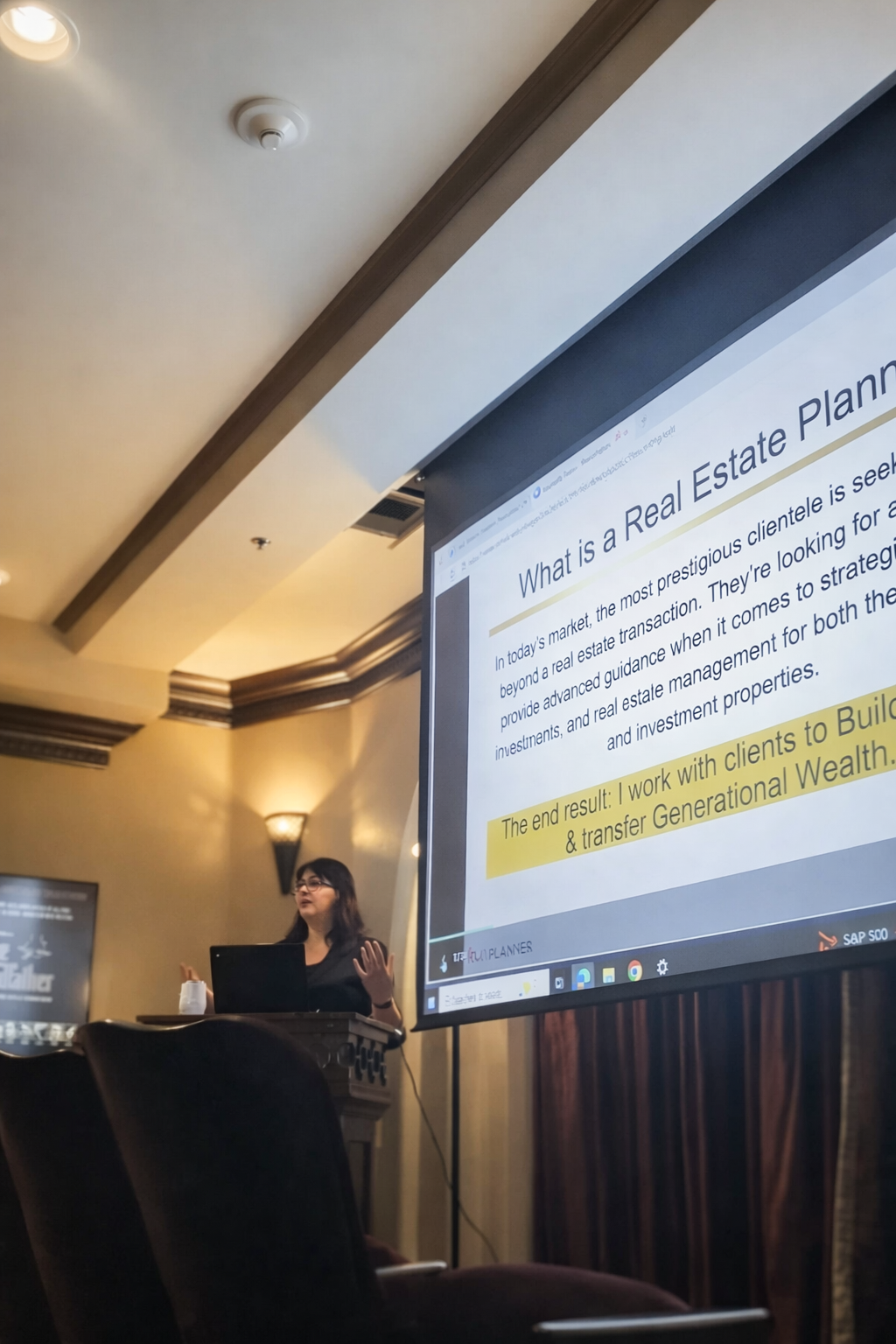
Melissa Tierney is a REALTOR® and Real Estate Planner™ with specific experience in probate transactions, working alongside the estate's attorney from the first conversation through the confirmation hearing. She understands that as executor, you're balancing a legal responsibility, a grieving family, and a real estate transaction all at once — and she treats all three with equal seriousness.
“I cannot express sufficiently how great it was working with Melissa... This is especially true if you have a senior in your life who needs to relocate or has passed away.” — Kathy Eason
Executors don't need an agent who treats probate like a standard listing. They need someone who knows the process, communicates clearly with the court timeline in mind, and keeps the family's interests protected throughout.
Frequently Asked Questions
Still have questions? Take a look at the FAQ or reach out anytime. If you’re feeling ready, go ahead and apply.
-
Probate real estate refers to property sold through a court-supervised process because the deceased did not have a living trust covering that asset. Court confirmation is typically required unless the will grants the executor full independent authority under the Independent Administration of Estates Act.
-
Probate sales generally take longer than standard transactions because of court scheduling and filing requirements — often several months from listing to final confirmation. Melissa works to keep the process moving as efficiently as the court calendar allows.
-
An executor or administrator has a fiduciary duty to the estate and its heirs, which generally includes securing a fair sale price, following court procedures, and keeping accurate records. An estate attorney should confirm specific obligations for your case
-
An offer can be accepted and the sale can be put into escrow before confirmation, but the sale typically isn't final until the court confirms it at a hearing — which can include an overbid process from other interested buyers.
-
Costs generally include standard closing costs and commissions, plus court filing fees and any required probate referee appraisal. An estate attorney or the probate court can confirm exact fees for your case.